
Defense When Protection Orders Threaten Housing and Family Contact
Orders of Protection Defense in Rockford for respondents facing emergency or plenary orders
An emergency order of protection is issued without prior notice and takes effect immediately, restricting where you can live, whether you can contact your children, and what possessions you can retrieve from your home. Respondents in Rockford and northern Illinois face plenary hearings within days, and the outcome determines whether restrictions continue for months or years. James R. Buikema Attorney at Law reviews the petition, evaluates the supporting allegations, and prepares a response that challenges unsupported claims while presenting your position clearly during the hearing.
Orders of protection defense involves examining the petitioner's sworn statements, identifying inconsistencies or exaggerations, gathering witness testimony or documentary evidence that contradicts the allegations, and preparing cross-examination questions for the hearing. Illinois courts issue these orders based on a preponderance of the evidence standard, which is lower than the criminal burden of proof.
Contact the office immediately when an order has been filed or served to preserve your ability to respond before the hearing date.
What Defense Representation Actually Accomplishes
James analyzes the petition language to determine what specific acts are alleged, whether those acts meet the statutory definition of abuse under Illinois law, and whether the petitioner's testimony is corroborated by police reports, medical records, or third-party witnesses. He prepares your testimony to address each allegation directly and presents evidence that establishes an alternative explanation for the events described.
After the hearing, you receive a written order that either dismisses the petition, imposes time-limited restrictions, or grants a plenary order with defined terms. The record from this proceeding can be referenced in future family law cases, custody disputes, and criminal prosecutions if related charges are filed later.
Defense strategy includes determining whether the petitioner has a history of filing false allegations, whether the allegations arose during a contested divorce or custody dispute, and whether the respondent has any prior criminal or civil findings that would affect credibility. The hearing itself is brief, and most cases turn on which party the judge finds more credible under direct questioning.
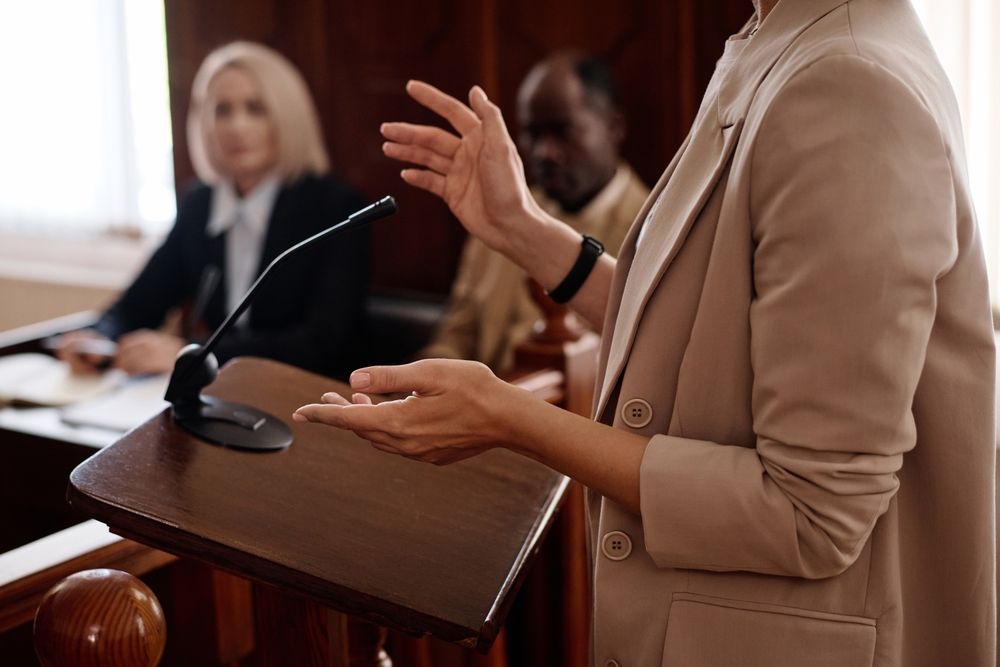
Respondents often call after being served with an emergency order that forces them out of their residence and prohibits contact with people they see daily.
What happens if I violate an emergency order of protection before the hearing?
Violation of any term results in immediate arrest, criminal contempt charges, and a presumption against you during the plenary hearing that follows.
How does James prepare a defense when the allegations are completely false?
He gathers alibi evidence, text messages or emails that contradict the petitioner's timeline, witness statements from people present during alleged incidents, and records that show the petitioner's motive to fabricate.
Why do judges in northern Illinois sometimes issue orders based on minimal evidence?
The petitioner only needs to demonstrate that abuse is more likely than not, and Illinois law defines abuse broadly to include harassment, intimidation, and interference with personal liberty, not just physical violence.
What evidence can I present during the hearing?
You can testify on your own behalf, call witnesses who observed relevant events, introduce text messages or social media posts that show the petitioner's intent, and present records that undermine the petitioner's credibility.
When should I contact an attorney after being served with an emergency order?
Representation is most effective within 24 hours of service, before you make statements to police, before you attempt contact that could be construed as violating the order, and before the plenary hearing is scheduled.
Common Questions About Protection Order Proceedings
These proceedings affect housing, family relationships, reputation, and contact with children, and the consequences extend beyond the courtroom. James R. Buikema Attorney at Law provides compassionate representation and clear communication throughout the process. Call (815) 507-2025 for an immediate consultation when an order has been filed or served.